Caldera retreat Idaho. Yoga Nidra retreat. River Writing retreat. Writing and yoga retreat 2026. I've been leading this retreat since 2016, and the question I get most often is a simple one: what actually happens there?
After more than 25 years teaching yoga and Yoga Nidra, I've learned that the best answer isn't a description of the practices. It's a description of the day. Because the rhythm is the medicine.
Here's what five days at the Caldera Retreat August 27–31, 2026, Harriman State Park, Idaho actually looks like.
The Morning: Movement, Breath, and Big Sky
8:00 am — Morning movement on the lawn.
Breath work, gentle yoga poses, Kouk Son Do, a slow energy movement practice, walking and seated meditation. We greet the four directions. Sometimes the deer are still in the field while we move.
9:00 am — Breakfast together.
Amy May prepares the food. I'll say this plainly: it's some of the most thoughtfully curated, spiritually considered food I've encountered at any retreat. You'll understand when you taste it.
River Writing: The Truest Thing You Can Say Right Now
10:00 am – 11:30 am — River Writing at the Scoville Center.
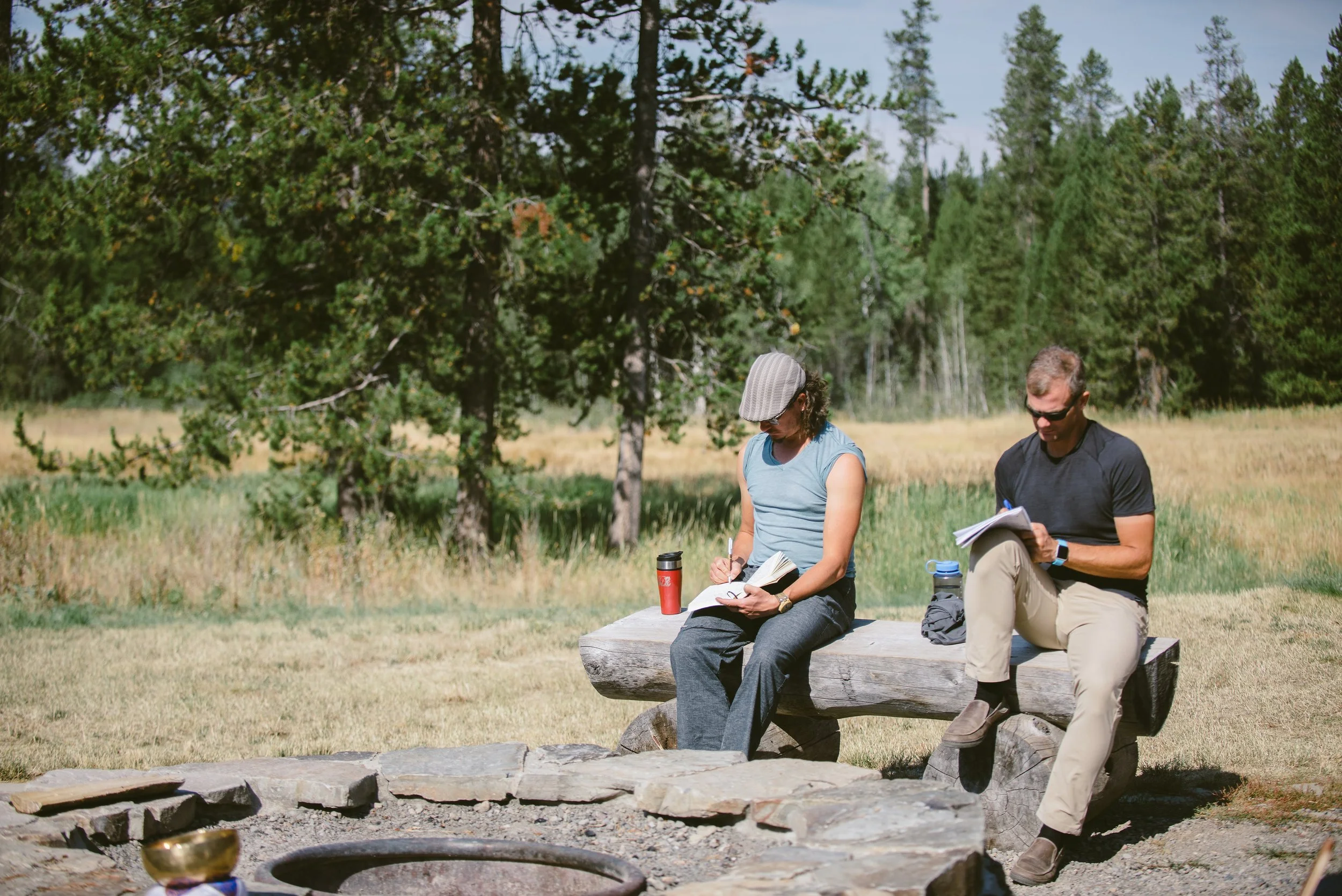
Eleven-minute writing sessions. No judgment, no praise, no apology. Just the truest thing you can say in that moment. We are not writing to publish.
Then we read to each other without preface, without caveat. And the group listens without comment. Just witness. At the end, the only thing we say is: thank you.
What comes out of that table every single year is some of the most honest, most beautiful, most cathartic language I've ever heard read aloud. Real poetry, from people who rarely or never call themselves writers.
The bravery in this circle still surprises me. Every time.
11:30 am – 12:30 pm — Free time.
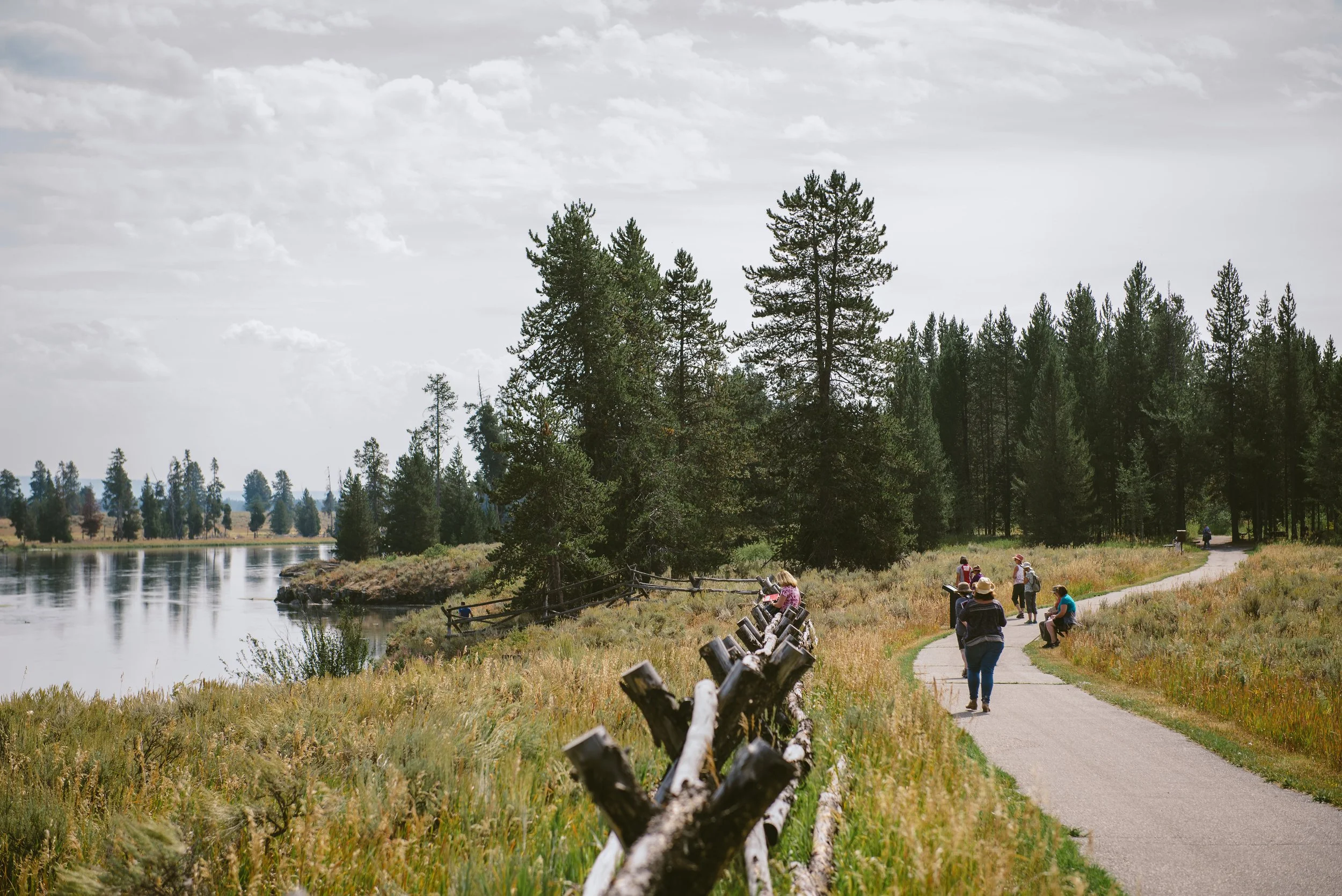
Walk. Write. Sit by the Snake River. Nap. Talk. Just be.
12:30 pm — Lunch.
The Afternoon: Open, Yours
The afternoon is open. On some days there's 1:1 work available with me, Amy, or Nan if you want it.
There's also what we call "hammock town," a quiet spot in the woods for reading or napping. There are trails for hiking, walking, trail running. You can do a lot, or you can do nothing at all. Both are right.
Dream and Write: The Voice Underneath
4:00 pm — Dream and Write.
I lead a thirty-minute Yoga Nidra to drop everyone below the thinking mind into that threshold state between waking and sleep where the mental editor goes quiet. Then, directly from that state, we write.
The pages that come out of these sessions don't sound like anyone's regular voice. They sound like the voice underneath. Slower. Less guarded. Often surprising, even to the person who wrote them.
Evening: Fire, Stars, Whatever the Cohort Wants
6:00 pm — Dinner.
7:00 pm — Campfire.
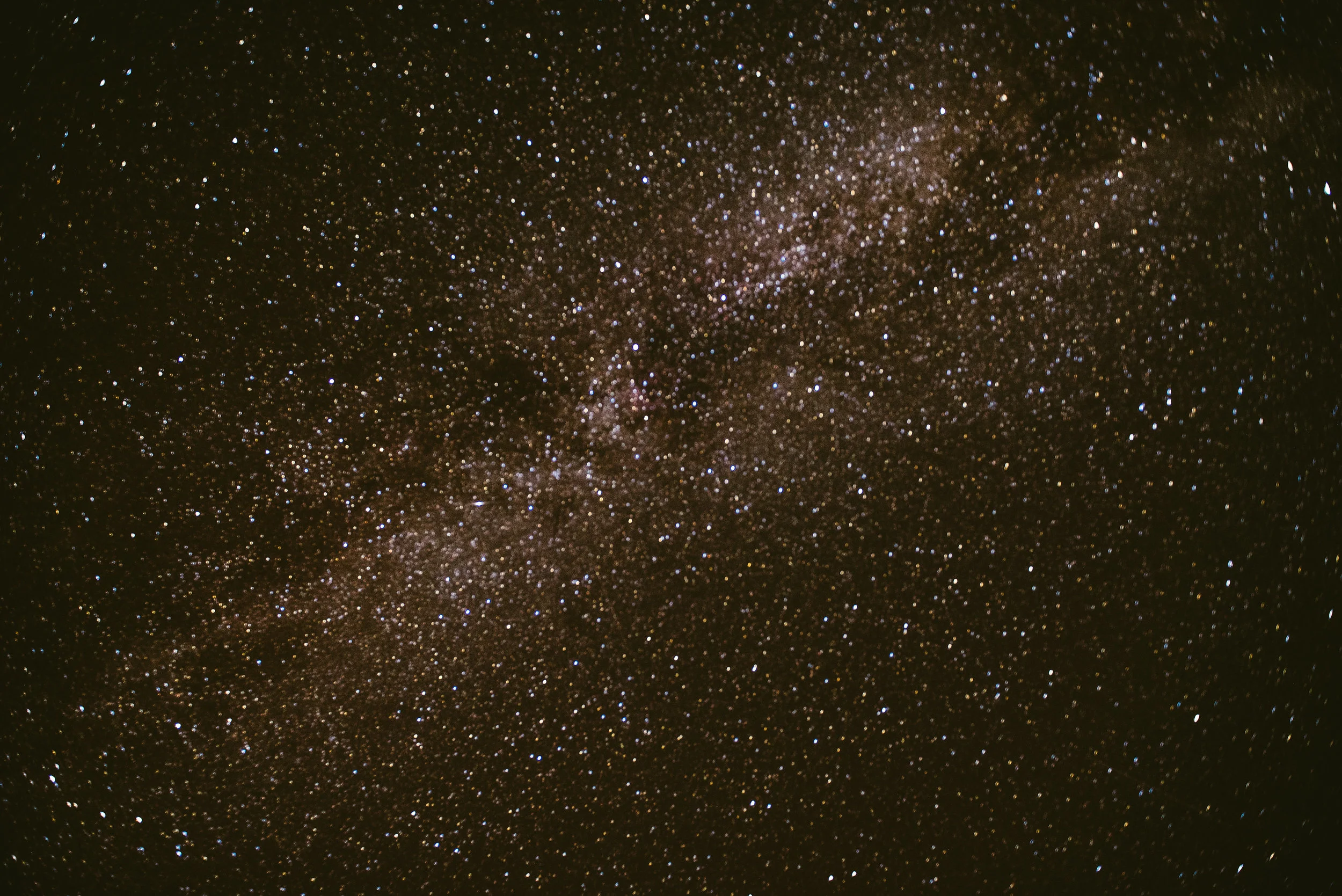
Stars. Stories. Songs. The clarinet sometimes. Whatever the cohort wants. Some nights people stay up late.
9:00 pm — Quiet time.
Why Every Year Is Different
We've been doing Caldera since 2016. And here's what I've learned: every year is different, because the alchemy of who shows up is different.
The land is the same. The structure is the same. My co-facilitators: Nan Seymour and Amy May, and I are the same. But the people change. And the people are the medicine.
This year I'm also bringing things I couldn't have articulated the last time at the Caldera. My book Waking Up with the Yoga of Sleep launches November 1, and the writing process has sharpened me in ways that will show up in the retreat.
Same land. Same circle. Same fire at night. But different stories, different music. We come back to Caldera because it's where we get grounded enough to go back out there and respond from beauty and wonder, instead of reactivity and fear.
An Invitation, Not a Push
Space is limited to 14. If you've been feeling the pull toward something more still, slower, and more honest than the busy you've been living, this is the one I'd point you toward.
Caldera Retreat August 27–31, 2026 Harriman State Park, Idaho (Scoville Center) Co-facilitated with Nan Seymour and Amy May

FAQ — Caldera Retreat 2026
What is the Caldera Retreat? Caldera is a small-group yoga and writing retreat held annually in Harriman State Park, Idaho. It combines gentle yoga, Yoga Nidra, River Writing, and Dream and Write practices over five days in a held, intentional circle.
How many people attend? Space is limited to 14. The group is kept small on purpose. The intimacy is part of what makes it work.
What is River Writing? River Writing is a community-based writing practice created by Nan Seymour. The instruction: keep the pen moving for eleven minutes without editing or stopping. Participants read to each other and listen without judgment, just witness. It consistently produces some of the most honest writing people have ever done.
What is Yoga Nidra, and do I need experience? Yoga Nidra is a guided meditation practice that leads you into a deeply restful state between waking and sleep. No prior experience is required. It's one of the most accessible practices I know, and one of the most profound.
What is Kouk Son Do? Kouk Son Do is a slow, meditative energy movement practice used in the morning sessions at Caldera. It's gentle, grounding, and a beautiful way to begin the day.
Who are the co-facilitators? Nan Seymour is the creator of River Writing and a longtime collaborator. Amy May joins as the second year co-facilitating. She brings the tea of the land ceremony, exceptional food prepared with spiritual care, and her own River Writing facilitation. Together the three of us have shaped something that feels complete.


