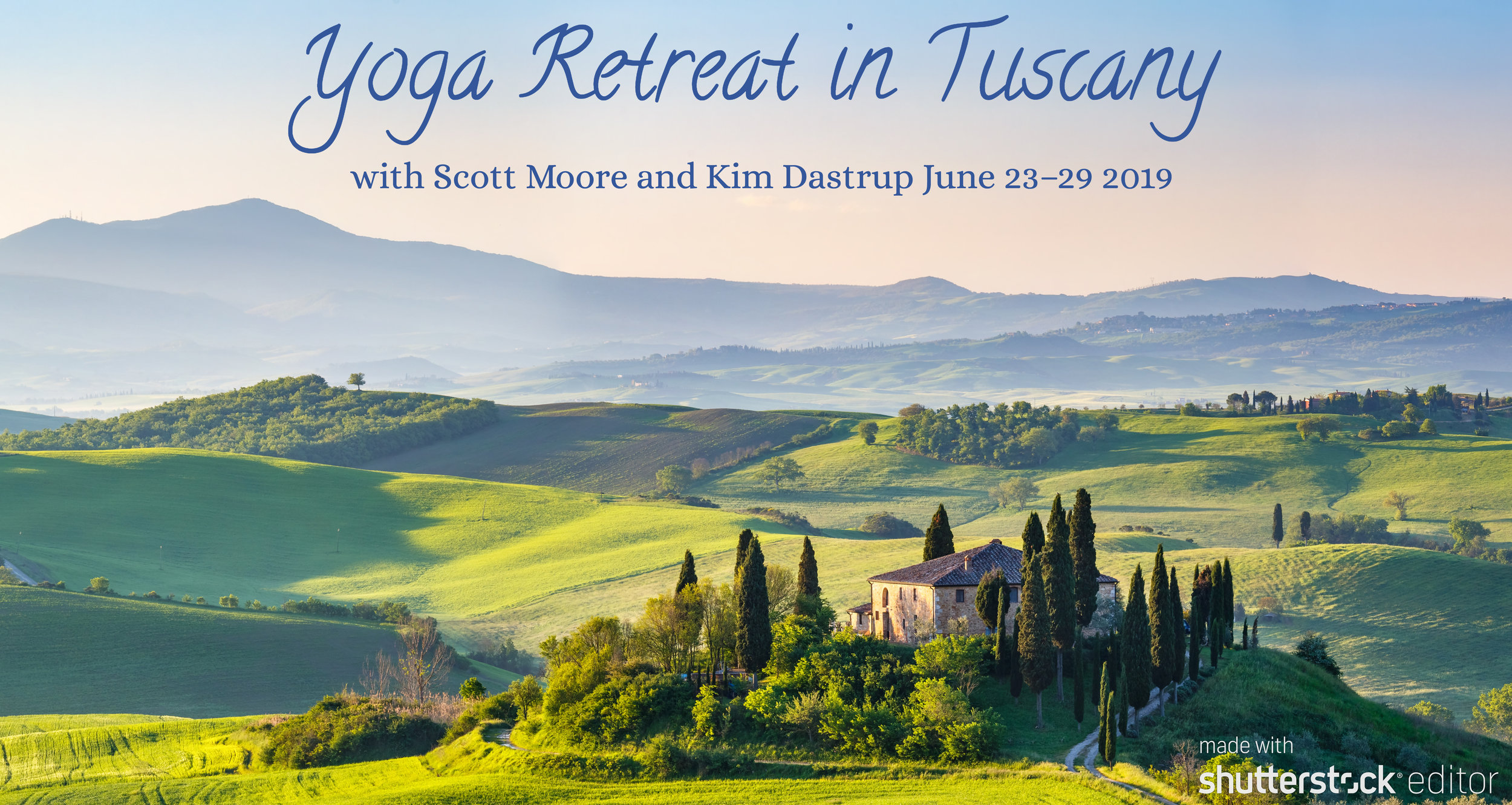
Why Going on Retreat Changes You (Even After You Come Home)

scott moore tuscany yoga retreat

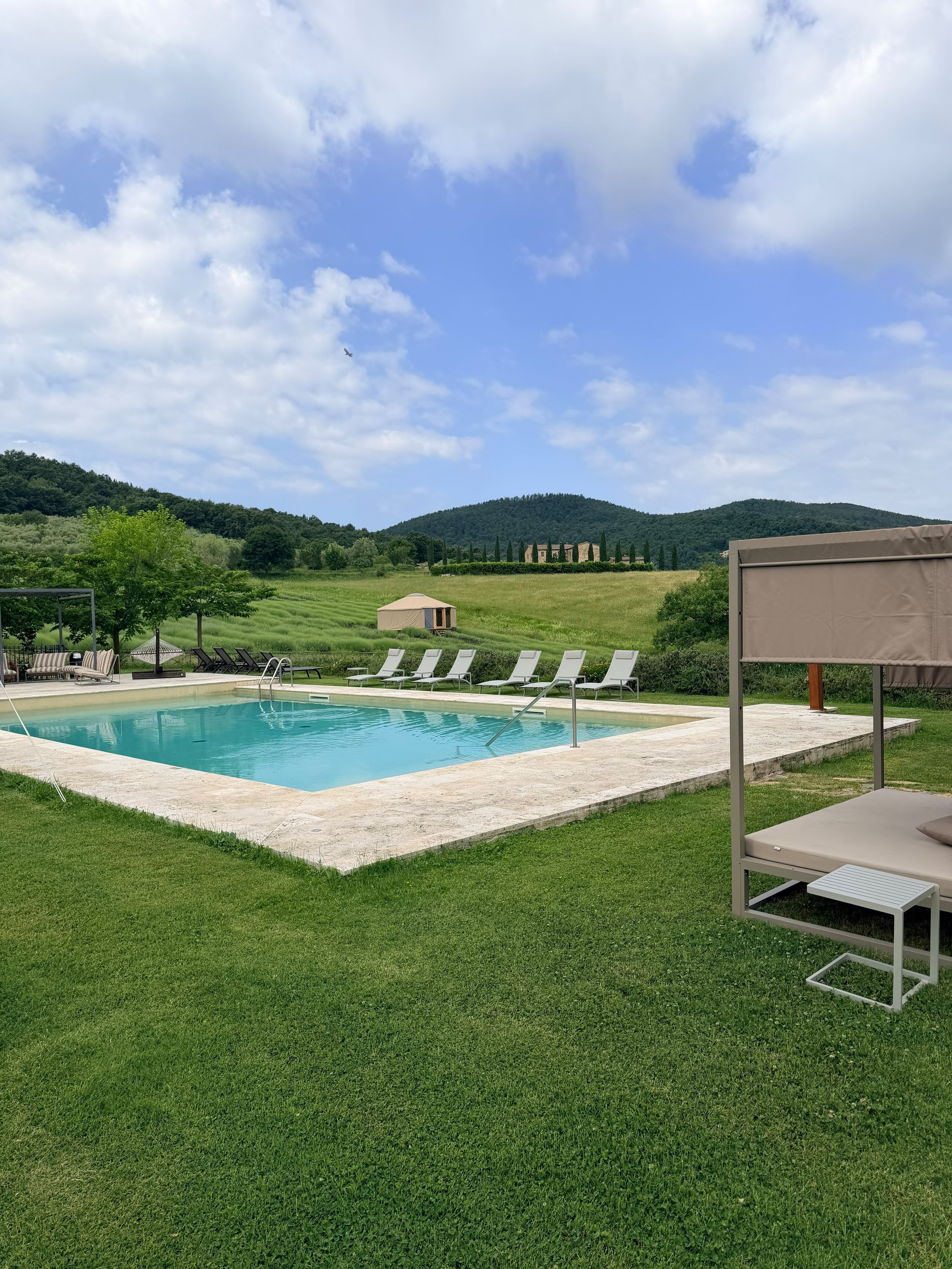
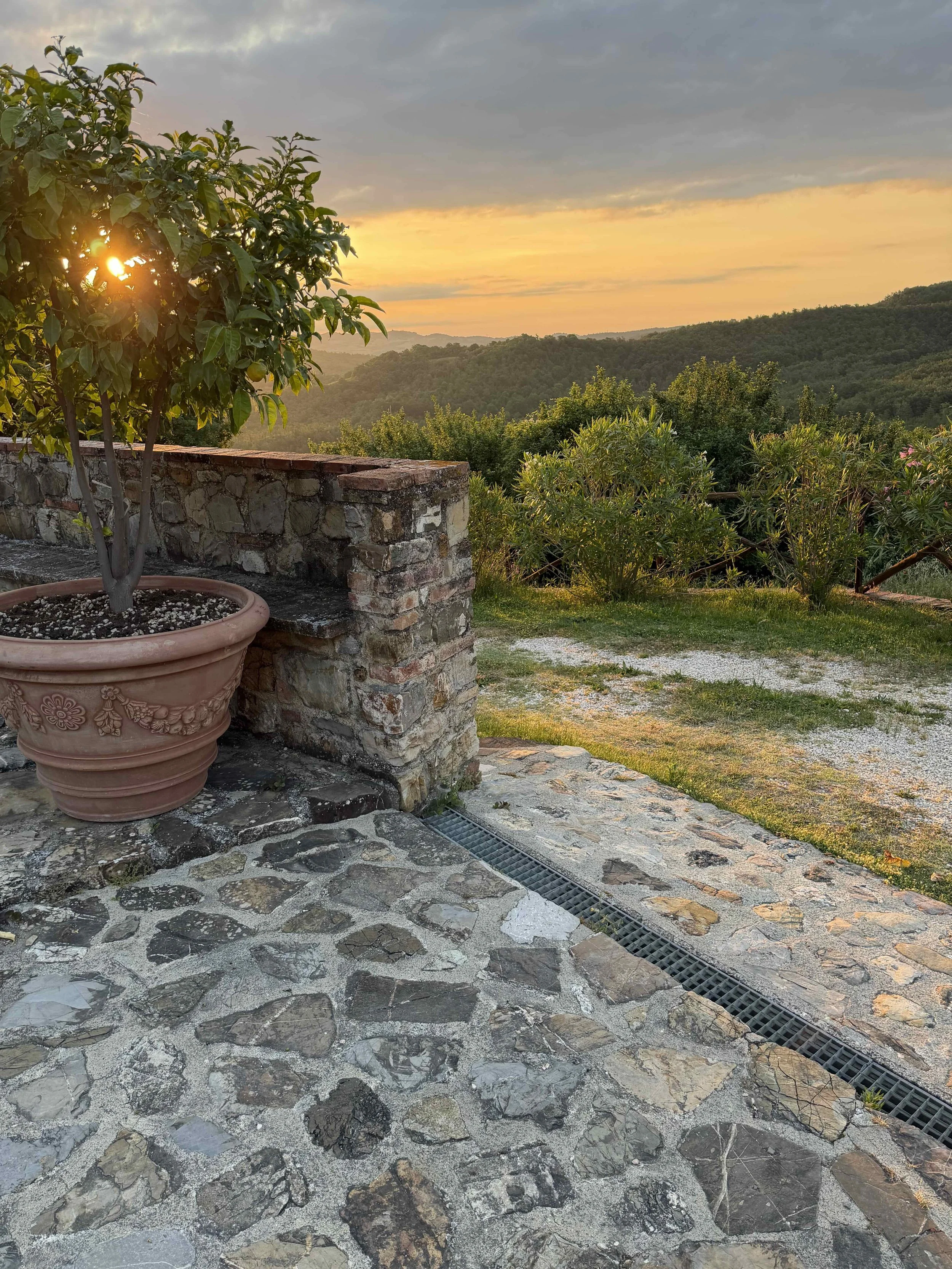
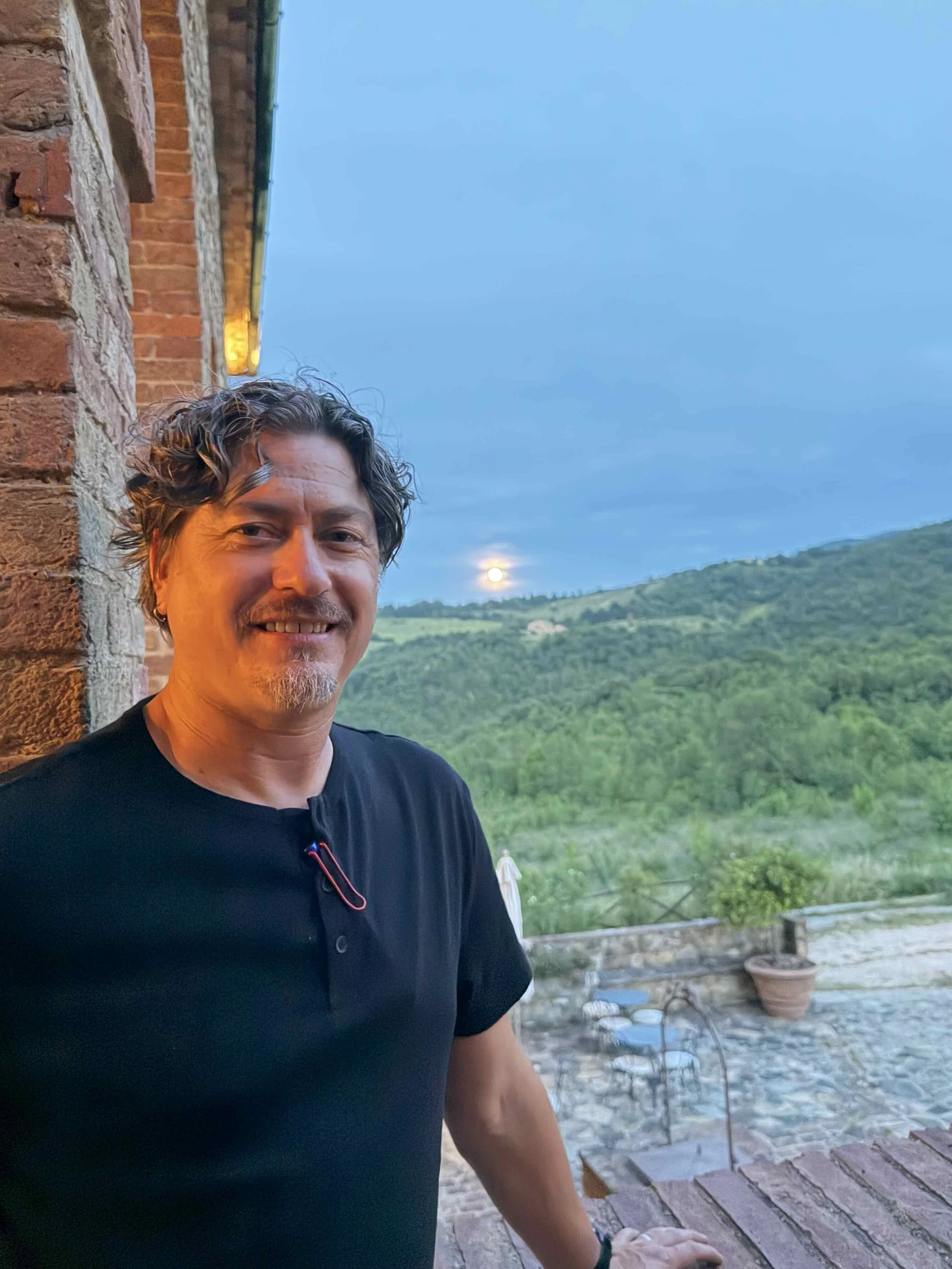
There's a villa in Tuscany where the first sunlight comes through a lemon tree each morning. I've been waking up there this week, watching it, and coming back to the same thought:

You can't see your life from inside it.

Hemingway couldn't write about Paris while he was in Paris. He had to get to Cuba, to Michigan, to Idaho, and look back across the distance before the place would give up what it meant. The same is true for most of us. We're too close to the thing to see it clearly.

That's why the airplane ride matters as much as the destination. Somewhere over the Atlantic, between time zones, you get a rare 10,000-foot view of your own life. You're nowhere, which turns out to be the only place you can finally see everything.
scott moore yoga retreat

The real gift of a retreat

People often talk about retreats as escape. A break from the grind. A reward for all that hard work. And sure, there's rest involved. But what a retreat actually gives you isn't a break from your life—it's a vantage point to see it more clearly.

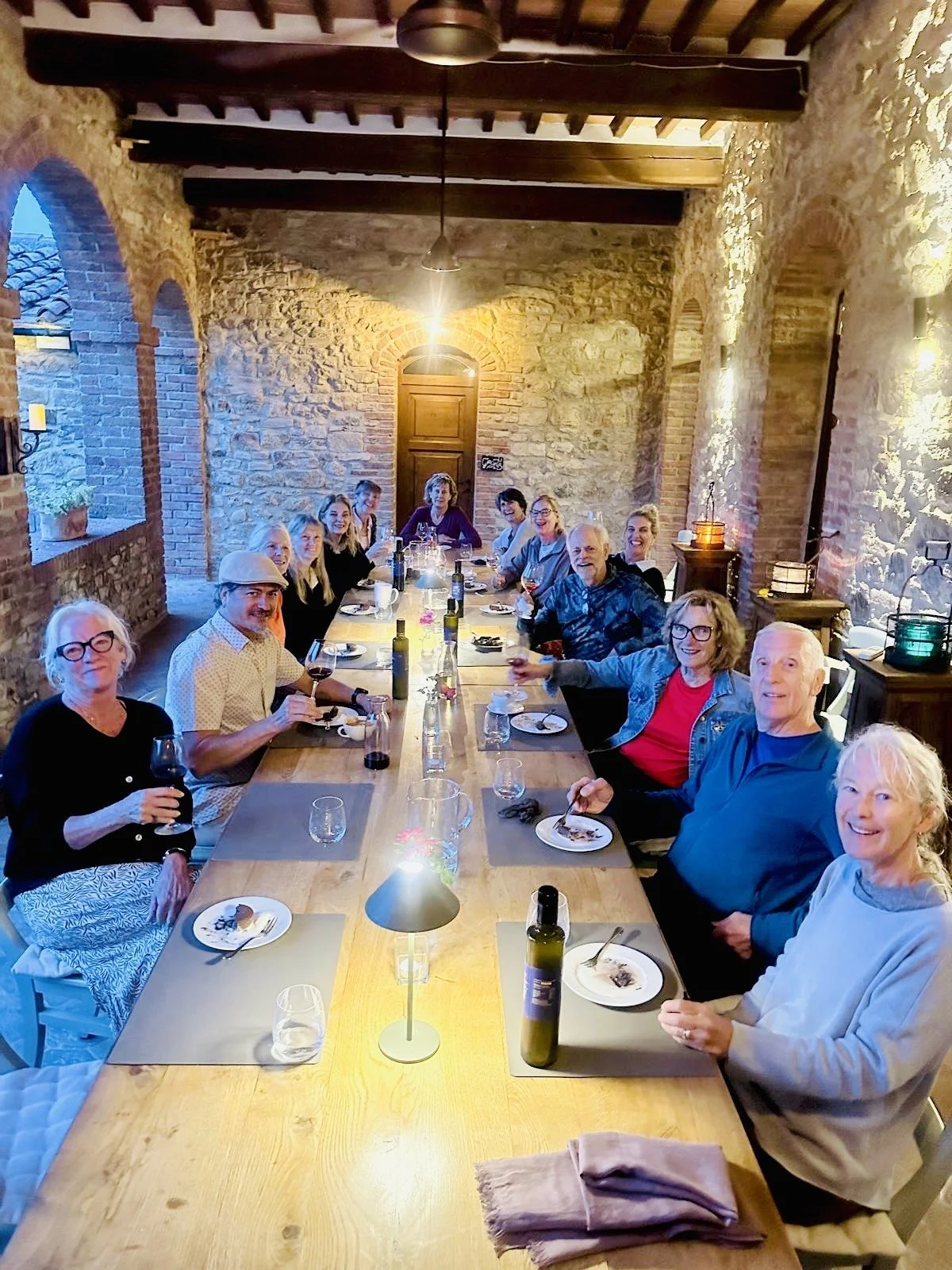
When you set down your phone for a few days. When you eat slowly and watch the light and speak the truth of where you are—body, mind, and spirit—in circle at the end of the day. What happens is that you start making real memories. Memories of moments you were present enough to actually have.

People often meet lifelong friends on weeks like this because of the container we create together. I've watched it happen on every retreat I've ever hosted.
scott moore italy retreat

The retreat doesn't land at the retreat

Here's the part that surprises people: the transformation doesn't happen while you're away. It happens when you get home.

You don't step back into the same life when you walk through your own front door. You've changed, so your life meets a different person upon your return—one who savors their coffee, who notices the smell of the roses, who hears the bees. Just the daily presentations Mary Oliver was always pointing at: the untrimmable light of the world, the prayers that are made of grass.

Your family feels it before you say a word. Your coworkers notice something different. You're easier to be around. You're more here.

You're more you.
best yoga retreat

You don't actually need to leave home

And here's the kicker: none of that requires a passport.

Going somewhere can help set the conditions. The beauty helps. The distance helps. But what you're actually looking for was never at the retreat to begin with. The work—the real work—is learning to find the ground at your feet and be at home with exactly where you are.

As Wendell Berry put it: what we need is here.

You can begin that this morning. Your own coffee. Your own kitchen. No airfare required.

FAQ

What is a retreat, really? A retreat is a period of intentional time away from ordinary routine, designed to support rest, reflection, and clarity. But more than the location, it's the container, the structure, the community, the slowing down that creates the conditions for change.

Do I need to travel internationally to benefit from a retreat? No. While travel can help by providing genuine physical distance from your daily environment, the core benefit of a retreat is the shift in perspective and pace. A local retreat, a weekend away, or even a structured day of silence can offer the same.

Why does a retreat feel different from a vacation? A vacation is usually about pleasure and rest. A retreat has an intentional container: meditation, reflection, community, or practice that creates conditions for deeper insight. You come home changed, not just rested.

What happens after a retreat ends? The real integration happens in the weeks that follow. People often report noticing small things more clearly, feeling more present with family, and making choices that are more aligned with what they actually value.

How do I find the right retreat for me? Look for a retreat led by someone whose teaching you already trust, with a format (silent, active, community-based) that suits how you learn and rest. Smaller groups tend to allow for more depth.

Can I get the benefits of retreat without attending one? Yes, partially. Regular meditation, time in nature, digital sabbaticals, and intentional journaling can all cultivate the perspective a retreat offers. The difference is the container: being held in community, away from ordinary demands, over consecutive days tends to create conditions that are harder to replicate at home.

Meditation/Mindfulness with Eating

Search Other Posts

Meditation vs. Mindfulness

Photo by Alex Adams

Photo by Alex Adams

There's a distinction between meditation and mindfulness.

I'd qualify mindfulness as the act of being present with whatever task is at hand. Indeed meditation is an acute form of mindfulness but usually constitutes a more rigorous form of concentration or awareness. Regular meditation practice causes us to live in a very mindful way, doing regular kinds of things with more presence. Things like eating.


Presence Through Senses

Many meditation traditions and philosophies argue that our identity relies solely upon our ability to be present. If we are not present, we really don't exist. Surely there's a lot to chew on there, but the essence of that idea is that our True Nature relies upon being here and now, no matter what you're doing.

Our senses are an excellent way of practicing presence because they are constantly giving us real time information about what is happening right in the moment. One of the particularly delightful ways of practicing mindfulness is through what we do hopefully at least a few times a day: eating


Not only does eating involve all of our sense, it is perhaps the most intimate thing we do on a regular basis besides making love. Why not make love to your food? And like any good lover will tell you, it's no good unless you're present.

I think food is fascinating. In fact, one of my favorite classes in college was called A Feast of Food Ways and was an entire semester exploring the folklore around food. We explored what food means culturally, spiritually, and globally. Not only was that semester a feast of information, but we literally treated ourselves to tantalizing delights in every class. That class made food such a sensual subject that I don't think I'll ever look at the ritual of eating food ever again

Food Ritual

So, why not make eating a ritual? A ritual is a physical action that evokes a spiritual significance. If eating is the sustaining of our very being, how can eating NOT be a ritual? How could we ever absentmindedly shove Cheerios into the largest hole in our face while not tasting a thing and checking our Facebook profile? With presence, even a bowl of Cheerios could be a feast.

One of my friends said that the best meal he ever ate was a granola bar on mile 20 of an ultra- marathon. It's all about presence and context, right?

So why not make your next meal and every meal, a seance of seduction, a ritual of resplendence? All it takes is a little bit of mindfulness.


How To Eat Mindfully


  • Unplug. Put away your phone and turn it on silent. No reading, computer work, or television during meals.

  • Sit. Put with your feet on the floor. This grounds you and helps to put you into the moment.

  • Pause. Take a big breath and give yourself a moment of gratitude before plunging into your meal. Notice the smells, textures, and colors. Perhaps even contemplate the hands and energy it took to arrive at your table, including the miracle of Mother Earth growing it for you.

  • Taste. As you put it into your mouth, close your eyes for a moment and taste it the way a sommelier would taste it: notice its signature of the earth, the subtleties and varieties of favors. Can you name all the different ingredients? Feel the textures and temperatures.

  • Slow down. Chew your food and wait until you've swallowed before putting another small bite into your mouth.

  • Notice when you begin to feel sated and stop eating before you start to regret shoving that last bite into your pie whole.

  • If you have a moment after your meal, take a slow stroll. My Ayruvedic teacher taught me to take a 1000-step stroll after each meal. She also told me to eat until only 2/3 full and to eat what my body feels like it wants and craves rather that what I "should" eat (look up Ayruvedic diet information for eating tips for your constitution. My friend Sunny is an Ayruvedic practitioner and expert at such stuff. Contact her for a consult). Notice your level of satisfaction after each meal. A meal of candy bars feels terrible.

    I'd love to hear about your food rituals and what your experience is with mindful eating. Please leave a comment below.